✺Somatic Tapping✺
Somatic Tapping is a gentle, evidence-based mind-body technique that helps calm the nervous system, release tension, and shift emotional blocks — for anyone ready to feel better.

Stress Lives in the Body. Somatic Tapping Addresses It There
Most of us have been taught to think our way out of stress, anxiety, and pain. But the body keeps score — and it responds to a different kind of attention.
Somatic Tapping works directly with the nervous system, using gentle touch and focused awareness to release what's been stored in the body.
Whether you're dealing with chronic stress, physical tension, emotional blocks, or just the weight of everyday life — this is a tool you can use anywhere, anytime, on your own.
MEET THE FOUNDER & CEO
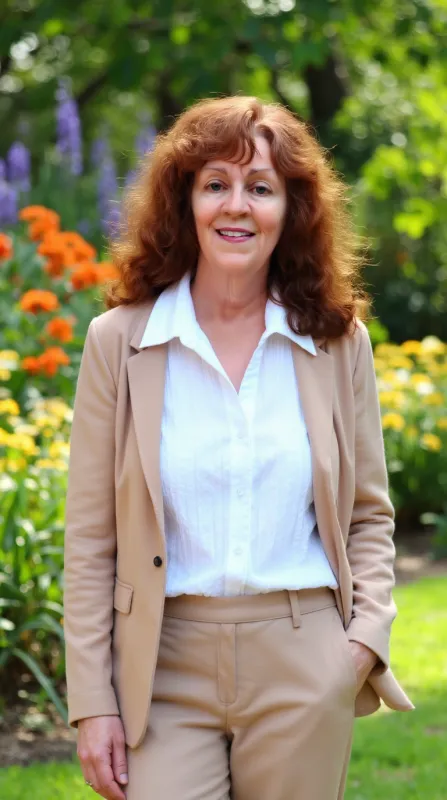
Hi , I'm Diana Sturm
Diana Sturm is a Licensed Professional Counselor (LPC) and expert in somatic approaches to emotional wellness. She helps anyone — from mental health professionals to everyday individuals — use somatic tapping to build emotional awareness, balance, and resilience.
Diana also holds a Ph.D. in Geology and taught at the university level for over 13 years, bringing a unique scientific perspective to her work. Through her private practice and online courses, she blends evidence-based counseling with practical, body-centered techniques to support personal growth and emotional regulation.
Licensed Professional Counselor (LPC) providing professional guidance for emotional wellbeing and personal growth. Master's and Educational Specialist degrees in Clinical Mental Health Counseling.
EFT practitioner with 15+ years of experience, certified in 2010 from Gary Craig, founder of EFT.
Certified Energy Trainer - Guild of Energists (2019) integrating energy-based approaches with accessible, practical techniques.
Somatic Tapping Trainer and Educator, developer of a person-centered method focused on emotional release, clarity, and lasting change.
✺
Somatic Tapping
Information on
Somatic Tapping

What is Somatic Tapping?
Somatic Tapping is a mind–body approach that blends gentle physical touch with focused awareness to help calm the nervous system and reduce emotional distress. While tapping has historical roots in meridian-based theories, modern perspectives also understand it as a somatic regulation technique. By tapping on specific points while tuning into distressing thoughts, sensations, or emotions, the brain receives calming sensory input that can reduce emotional reactivity, support emotional processing, and help the nervous system shift toward regulation.
Somatic Tapping can be used for a wide range of concerns including anxiety, stress, physical tension, grief, phobias, and emotional blocks. It pairs well with many other wellness practices and can be learned quickly — making it an accessible, practical tool for everyday life.
Tapping is Evidence-Based
A growing body of research—including over 700 published studies—supports the effectiveness of tapping for a range of mental and physical health concerns. Some studies suggest that tapping can be as effective—or in certain cases even more effective—than traditional talk therapies for reducing symptoms such as anxiety, depression, and PTSD.
For example, a randomized controlled trial published in the Journal of Nervous and Mental Disease found that tapping led to greater reductions in PTSD symptoms among veterans compared with a cognitive-behavioral therapy intervention. Another study in the Journal of Clinical Psychology reported significant decreases in depressive symptoms in a group of college students following tapping sessions.
These findings, together with decades of research, demonstrate that tapping is a well-supported, evidence-informed technique that can complement existing therapeutic approaches and enhance emotional and physical well-being.
Tapping can be Fast
One of the advantages of tapping is that it can often produce noticeable results quickly. By engaging the body’s natural regulatory and emotional processing systems, tapping can help reduce emotional intensity and physical tension in a relatively short time. Many individuals experience relief after just one or two rounds, while others may benefit from repeated sessions depending on the complexity of the issue.
The speed of results can vary based on the individual, the presenting concern, and the experience of the practitioner. While tapping can be a powerful tool for managing emotions, reducing stress, and easing physical tension, it is not a cure-all and may not work for every condition. Working with a trained professional helps ensure that the technique is applied safely and effectively.
✺ Somatic Tapping ✺
✺
Why Learn Somatic Tapping with Diana Sturm?
Diana Sturm began her training with Gary Craig, the founder of Emotional Freedom Techniques, and expanded her expertise through EFT Universe and the Guild of Energists (GOE). Drawing on her extensive background as a Licensed Professional Counselor, she developed her own method that integrates tapping with somatic awareness — making it accessible, practical, and effective for anyone.
Diana offers courses for mental health professionals, coaches, and the general public — meeting each audience where they are and giving them tools they can use immediately.
Certified through Gary Craig's EFT Training program, Gary Craig, founder of the Emotional Freedom Technique. Further certified through EFT Universe and the Guild of Energists (GOE), including completion of the GOE Train the Trainer program.
Developed a unique somatic method that is gentle, accessible, and immediately useful.
Licensed Professional Counselor with 15+ years of tapping experience.
Courses available for professionals, coaches, and everyone.
Newsletter Sign-up

Get insights, practical tools, and updates on somatic tapping, nervous system regulation, and emotional well-being — for both personal growth and professional practice. Join the newsletter for thoughtful guidance and upcoming offerings.
Education Disclaimer:
This website provides educational content only and does not offer mental health treatment. No therapist-client relationship is created. Licensed clinical services are provided through a separate practice in authorized states.
[Read full disclaimer]
Somatic Tapping is a proud contribution from CopperFire Digital LLC. As the driving force behind these offerings, I, Diana Sturm, along with CopperFire Digital LLC, hold the copyrights to this website and the classes offered through this site.
Mailing address: P.O. Box 850053, Mobile, AL 36685-0053


View our Privacy Policy and Terms and Conditions here. © 2026. All Rights Reserved.